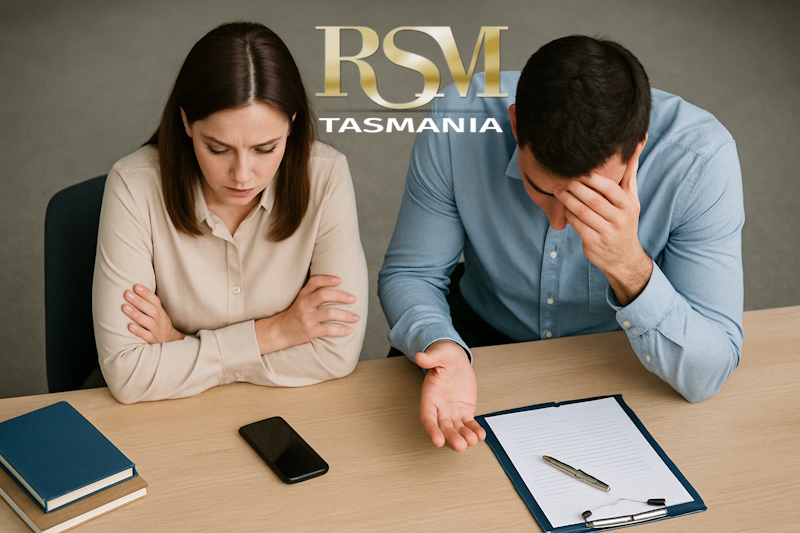
The Hidden Claims No One Talks About When Workplace Culture Goes Wrong
You can have the safest tools, tidy worksites, spotless warehouses, and the best policies in the state — and still find yourself dealing with entirely avoidable workers compensation claims. Why?
Because sometimes the real problems aren’t physical hazards at all. They’re cultural.
And that’s where workers’ compensation insurance Tasmania isn’t just a safety net — it becomes a mirror reflecting what’s really happening inside a business.
At RSM Tasmania, we’ve seen countless cases where the “official” cause of injury wasn’t the whole story. The real trigger was something much deeper.
The dangers no safety checklist can fix
Every workplace has its personality — but when the culture quietly rewards rushing, overwork, silence, or “toughing it out,” injuries tend to spike. The most common cultural red flags we see include:
- Speed over safety — where deadlines matter more than wellbeing.
- Unspoken pressure — employees don’t report hazards because they “don’t want to make trouble.”
- Hero culture — people work through pain until something finally gives.
- Micromanagement — stress injuries rise when staff feel constantly watched.
- Poor communication — confusion leads to mistakes; mistakes lead to claims.
These aren’t issues you’ll find during a safety audit, but they show up quickly in workers compensation data.
How culture creates claims
It happens subtly. An employee who feels rushed skips a break. Another hides early symptoms of strain because speaking up isn’t encouraged. Someone else avoids reporting a near miss because “last time it didn’t go well.”
Before you know it, you don’t just have an incident — you have a workplace pattern that quietly fuels more injuries. And those cultural patterns can cost employers far more than a single claim ever would.
The domino effect you never see coming
A poor culture doesn’t just cause the first injury — it shapes everything that follows:
-
- Injuries take longer to recover because staff feel unsupported.
- Return-to-work plans fail when communication is messy.
- Team morale drops, creating even more risk.
- Claims escalate because issues weren’t addressed early.
In other words: culture determines the trajectory of a claim, not just the cause of it.
Turning culture into your safety advantage
The good news? A supportive culture is one of the strongest forms of injury prevention — and it doesn’t cost nearly as much as you might think.
A few practical steps include:
-
- Encouraging early reporting (and celebrating it rather than punishing it).
- Training leaders to recognise signs of stress and fatigue.
- Making psychological safety a standard part of team conversations.
- Offering simple, clear pathways for staff to raise concerns.
- Reviewing claims data to find patterns the workplace may have missed.
These small shifts often prevent injuries before they occur — and smooth the path when a claim does happen.
For practical guidance on managing psychological risks in the workplace, you can also refer to WorkSafe Tasmania’s information on psychosocial hazards.
At RSM Tasmania, we help businesses strengthen both their culture and their cover. If you want support understanding your risk profile, reducing claims, or improving your workers’ compensation processes, you’ll find practical help at our dedicated site: wcomptas.com.au.
Because when the culture is healthy, the business — and its people — are safer too.
Remember, this article is general in nature and doesn’t take into account your specific objectives, financial situation, or needs. For advice tailored to your circumstances, have a chat with us at RSM Tasmania Insurance Brokers Hobart.
Talk to Roger Hosie and stay ahead with RSM Tasmania’s insights.
Call Now! (03) 6244 7854, or email .